Queensway removals guide for narrow Bayswater streets
Posted on 04/07/2026
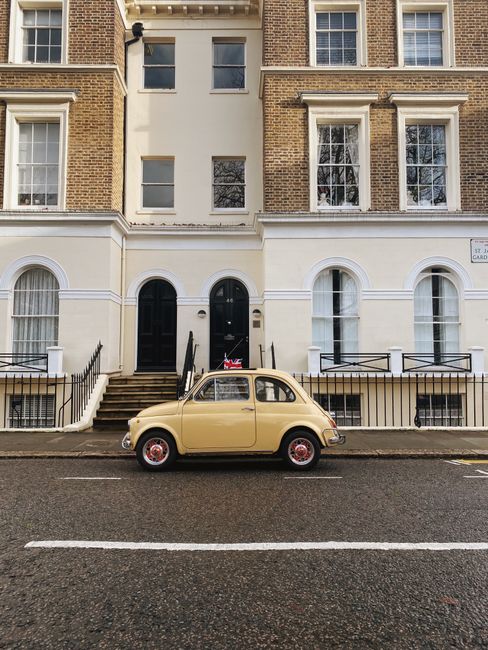
If you are moving around Queensway, Bayswater, or one of the side streets tucked behind Westbourne Grove and the Whiteleys area, you already know the problem: the streets look simple on a map and then reality gets involved. Parked cars, tight turning space, busy foot traffic, low patience from everyone on the road, and not much room for a second attempt. This Queensway removals guide for narrow Bayswater streets is designed to help you plan a move that feels organised rather than chaotic. Whether you are leaving a studio flat, a family apartment, or a small office, the details matter here. A lot.
In practice, good removals in this part of London are less about brute force and more about timing, vehicle choice, packing discipline, and knowing when to keep things small and simple. That is the difference between a move that rolls smoothly at 8 a.m. and one that ends with a van double-parked, a sofa stuck in a doorway, and everybody pretending not to panic. Let's avoid that, shall we?
Below, you will find a practical, human guide to moving through narrow Bayswater streets near Queensway, with advice on access planning, packing, vehicle selection, common mistakes, and the sort of real-world decisions that save time and stress.
Why Queensway removals guide for narrow Bayswater streets Matters
Narrow Bayswater streets are not forgiving. Many of the homes and flats around Queensway sit on roads where moving vans have to work around parked vehicles, delivery traffic, bins, and the usual London rhythm of people coming and going. That is fine if you plan for it. It is less fine if you turn up with a large vehicle and hope the street clears itself. It usually does not.
This matters because removals are not only about lifting and loading. They are about access. If access is poor, the whole move becomes slower, more expensive, and more tiring. A carefully planned move can reduce the number of carries between the property and the vehicle, which is a big deal when you are moving wardrobes, white goods, or anything awkward and heavy. Even a short extra walk can become a real drain when you repeat it twenty times.
The local layout also changes what "good preparation" means. On wider suburban roads, you can sometimes improvise. In Bayswater, improvisation tends to cost you time. If you have ever watched a team shuffle a mattress around a parked car while a cyclist waits behind them and a taxi wants the gap, you know the feeling. Bit of a dance, really.
For that reason, many residents look for a service that understands tight access, compact loading, and careful scheduling. If you are comparing options, it can help to read about removal companies in Bayswater and the wider removal services in Bayswater that fit small streets and flat-based moves. You may also want to see how local teams approach flat removals in Bayswater, because flats are often the real test of whether a removals plan makes sense.
How Queensway removals guide for narrow Bayswater streets Works
The basic idea is straightforward: reduce friction at every stage. In a narrow street, the best removals plan starts before moving day, often with a quick access assessment. That means thinking through where the vehicle can stop, how far items need to be carried, whether stairs or lifts are involved, and whether the route from the property to the van needs a second pair of eyes.
In a typical Queensway move, the process often looks like this:
- First, identify the access point and decide whether a small van, medium van, or a man-and-van setup is more realistic than a larger vehicle.
- Next, plan the loading order so the heaviest and most fragile items are handled in the right sequence.
- Then, schedule the move at a time when the street is less congested, which is often earlier in the day.
- Finally, keep the walk from property to van clear, so boxes are not being squeezed past one another while somebody is hunting for tape or keys.
That sounds basic, but basics are what save you. In narrow streets, the details do the heavy lifting. A compact vehicle, for example, can sometimes save more time than a larger one because it is easier to position and manoeuvre. And if the parking situation is awkward, fewer trips with a smaller van can still be faster than one giant vehicle that cannot settle into place properly.
It also helps to think in layers. The first layer is street access. The second is building access. The third is item handling. If any one of those layers is weak, the move slows down. If all three are thought through, the day usually feels much calmer. Not perfect. Just calmer. And honestly, that is already a win.
If you are still at the planning stage, browsing a broader overview like services overview or checking pricing and quotes can help you decide what type of support fits the move. Some people only need a man with van in Bayswater; others are better served by a fuller house removals Bayswater setup.
Key Benefits and Practical Advantages
A move planned for narrow Queensway and Bayswater streets gives you more than convenience. It can improve the quality of the whole day in ways that are easy to underestimate at first.
- Less wasted time: A compact, realistic vehicle choice reduces manoeuvring delays.
- Lower physical strain: The shorter and cleaner the route, the less carrying and re-carrying is needed.
- Better protection for belongings: Fewer awkward turns and fewer rushed transfers mean less risk of damage.
- Less disruption to neighbours: A tidy, well-timed move is simply easier on the street.
- More accurate costs: Good planning reduces the chance of unexpected hold-ups, extra labour, or extra vehicle time.
There is also a less obvious benefit: confidence. When you know the van fits the street and the loading plan makes sense, you stop second-guessing everything. That frees you up to focus on the real work, like getting the kettle, documents, and "where did I put the charger?" box sorted first.
For certain moves, a smaller, flexible vehicle can be especially useful. If you are comparing transport options, it may help to look at man and van Bayswater, man and a van Bayswater, and removal van Bayswater options. The right fit depends on the volume you have, not just the postcode.
Who This Is For and When It Makes Sense
This guide is especially useful if you live or work in a flat near Queensway, a mansion block with tighter access, a converted building, or anywhere a large lorry would be frankly out of place. Students, renters, first-time buyers, downsizers, and small business owners all face similar access problems here, just in different forms.
It makes sense when:
- you are moving from or to a top-floor flat;
- the street has limited stopping space;
- you have bulky furniture but not a huge house full of items;
- you need a same-day or short-notice move;
- you want to avoid the hassle of coordinating multiple vehicle loads;
- you are moving a piano, fragile furniture, or office equipment that needs careful handling.
For students, the pressure is usually speed and budget. For families, it is often furniture volume and children's routines. For office moves, the priority may be to protect working time and equipment. Each move has its own rhythm. That is why one-size-fits-all planning is usually a mistake.
If your move is modest, a man and van Bayswater arrangement may be enough. If there is more volume or awkward furniture, a broader furniture removals Bayswater service may be the safer route. And if you are moving a workspace, office removals Bayswater is the more sensible fit than trying to make a domestic setup do everything.
Step-by-Step Guidance
Here is the practical version. Not the glossy version. The practical one.
1. Walk the route before move day
If possible, stand at the property entrance and look at the street with a mover's eye. Where can a van stop safely? Is there a low wall, narrow gate, awkward bend, or tiny front step that will catch a sofa corner? You only need one missed detail to make the day harder than it should be.
2. Measure the awkward items
Measure the things that tend to cause trouble: wardrobes, beds, table tops, mirrors, and washing machines. A sofa that seems fine in the lounge can suddenly become the villain of the morning when it has to turn through a narrow hallway. Funny how that works.
3. Declutter before packing
Do not pay to move items you no longer need. This is especially relevant in smaller properties where every box counts. Donate, sell, recycle, or bin what you can in advance. If you need ideas for environmentally responsible disposal, the company's approach to recycling and sustainability is worth reviewing.
4. Pack by priority, not by room alone
Room-based packing is common, but priority-based packing is better for narrow-street moves. Put documents, chargers, toiletries, kettle bits, and bedding where you can reach them first. That first evening in the new place matters. You want ease, not a treasure hunt.
5. Use the right vehicle size
Choose the smallest vehicle that can still handle your load sensibly. A van that is too large may not fit comfortably; a van that is too small may require extra runs. The balance is important. If you are uncertain, ask the provider to assess the volume and access before confirming.
6. Protect stairs, doors, and corners
In older Bayswater buildings, the risk is often not the distance but the turns. Stair edges, banisters, and hallway corners need protecting. Good movers will often bring blankets, straps, and protective gear, but it is still worth checking that fragile surfaces are covered.
7. Keep the loading zone clear
One person should ideally manage the front door area or building access so nobody is stepping over boxes. Keep lifts free if there is a lift. Keep a path clear if there is a stairwell. Small discipline, big difference.
8. Load in a sensible sequence
Heavier items first, fragile items secured last, and the essentials easy to reach. You do not want the kettle buried behind three chairs and a filing cabinet. Trust me, nobody wants to play that game after dark.
Expert Tips for Better Results
These are the little things that tend to make a local move feel professional rather than improvised.
- Book early if the street is especially tight. Early booking gives you more control over time slots and vehicle choice.
- Use colour labels for boxes. In a small flat, this saves a surprising amount of time at the far end.
- Keep one "open first" box. Put bedding, towels, basic toiletries, phone chargers, snacks, and tea bits in it.
- Avoid move-day shopping. It sounds obvious, but people still do it. The street is busy enough already.
- Tell your mover about access issues in detail. Not just "it's a bit tight," but whether there are stairs, a narrow gate, timed building entry, or waiting restrictions.
- Choose a quieter window where possible. Early morning often beats late morning in dense urban areas.
One small but important tip: if you have any item that is unusually heavy, fragile, or valuable, mention it before the day. A piano, for example, is not something to casually squeeze into a general plan. A specialist option like piano removals Bayswater is there for a reason, and the reason is usually gravity.
Another practical detail: think about the destination as much as the departure. Narrow streets at the new place can be just as tricky as the old one. People often focus only on what they are leaving behind. That is understandable, but it is only half the story.
![A narrow residential street in Bayswater during daytime with parked cars lining both sides, including a blue sports car, a silver sedan, and a black off-road vehicle with a spare tire on the back. Several motorcycles are parked on the pavement near the blue car. The street is bordered by white Victorian-style terraced houses with large windows, some featuring decorative columns and ornate balconies. Tall leafless trees are planted along the curb, casting shadows on the asphalt. In the background, a white van is seen reversing or stationary further down the street. The scene appears overcast, with diffused natural light showcasing the urban environment typical of home relocations and furniture transport logistics, as indicated by the [COMPANY_NAME] on some vehicles and the context of house removals in the BAYSWATER area.](/pub/blogphoto/queensway-removals-guide-for-narrow-bayswater-streets2.jpg)
Common Mistakes to Avoid
Let's be honest, most moving problems are predictable. That is the annoying part. The good news is that predictable mistakes are the easiest to avoid.
- Booking a vehicle too large for the street. Bigger is not always better in Bayswater.
- Underestimating stairs or corridor turns. A flat move can still be physically awkward.
- Packing too slowly or too late. Last-minute packing usually means fragile items get less protection.
- Leaving everything until the morning of the move. That tends to create panic, and panic creates mess.
- Not checking building access rules. Some properties have specific entry times, lift arrangements, or concierge procedures.
- Forgetting where the essentials are. Keys, documents, medication, and chargers should never disappear into the back of the van.
- Ignoring insurance or terms. If anything is unclear, ask before the move rather than after an issue appears.
There is also a social mistake people underestimate: assuming the street will "probably be fine." Maybe it will. Maybe it will not. Narrow roads punish optimism that is not backed by planning. Not to be dramatic, but that is usually where the headache starts.
Tools, Resources and Recommendations
You do not need fancy equipment to manage a move well, but a few simple tools make life easier.
- Strong packing tape for secure boxes and reinforced seams.
- Marker pens and labels for clear box identification.
- Furniture blankets to reduce scuffs and knocks.
- Ratchet straps or tie-downs for stabilising larger items in transit.
- Gloves for grip and hand protection on repetitive carries.
- Door protectors and floor covers where the building access is tight or newly decorated.
For packed or fragmented moves, storage can be a useful pressure valve. If you are moving in stages, downsizing, or waiting on completion dates, storage Bayswater can keep the process from becoming rushed. And if you are still gathering materials, it helps to start with packing and boxes Bayswater so you are not scrabbling around for random supermarket cartons at 9 p.m.
It can also be helpful to read about the service style behind the move. The company's about us page and insurance and safety details help build confidence if you are comparing providers. And if you are price-sensitive, the page on competitive prices is a sensible place to start before you request anything more formal.
Law, Compliance, Standards, or Best Practice
Moves in London bring a few compliance and best-practice considerations into play. You do not need to be a legal specialist, but you do need to be sensible.
First, street access. In many parts of Bayswater, it is wise to avoid blocking roads or creating unsafe loading situations. Even if a street feels quiet for a moment, conditions can change quickly with traffic, cyclists, and pedestrians. A move that is neat, quick, and considerate is usually the best outcome for everyone.
Second, building rules. Many flats and managed properties have their own requirements for lift booking, loading times, or access notifications. These are not always written in giant letters, so ask early. A good removals plan respects the property as well as the road.
Third, health and safety practice. Handling heavy items is not a place for bravado. Safe lifting, proper footwear, teamwork, and protecting stairs and walls all matter. If you want a sense of how a professional provider handles this, their health and safety policy and terms and conditions are worth a look.
Fourth, payment and trust. If you are paying for a removals service, you should feel clear about what is included, how security is handled, and what happens if the plan changes. A straightforward payment and security page can help with that. If anything ever goes wrong, it is also useful to know whether the business has a transparent complaints procedure.
Finally, be mindful of accessibility. Narrow streets and older buildings can be difficult for people with mobility needs, so planning should be inclusive, not casual. If you need to review the company's own commitments, the accessibility statement is a practical reference point.
Options, Methods, or Comparison Table
The best move method depends on the size of the property, the amount of furniture, and how tight the access really is. Here is a simple comparison to help you think it through.
| Method | Best for | Strengths | Watch-outs |
|---|---|---|---|
| Man and van | Small flat moves, student moves, light furniture | Flexible, quick to position, usually well suited to narrow streets | May need multiple trips if the load is underestimated |
| Removal van | Moderate loads with limited access | More capacity while still remaining practical in tight roads | Requires accurate planning to avoid overfilling |
| Full house removals | Larger homes or bigger furniture volumes | Better for comprehensive handling and coordination | Street access and parking must be checked carefully |
| Same-day removals | Short notice or urgent moves | Fast response when timing is tight | Less room for flexibility; access details must be precise |
If you are still deciding, think in terms of access first and volume second. A small van that fits properly is often better than a larger vehicle that creates friction from the start. For urgent situations, same day removals Bayswater can be useful, but it works best when the access information is accurate and honest. No guesswork. Not on this kind of street.
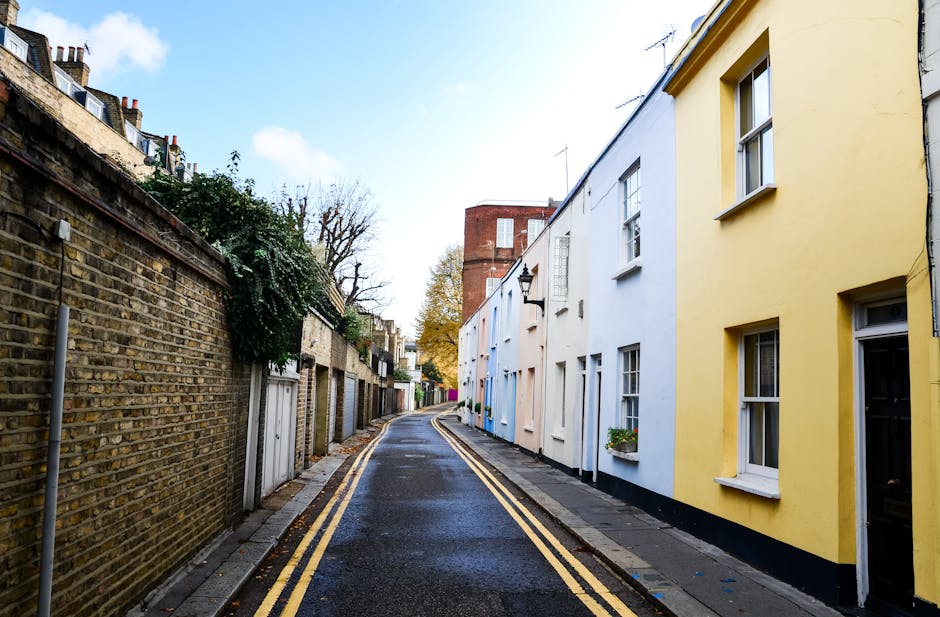
Case Study or Real-World Example
Here is a realistic example based on the kind of move people often face around Queensway.
A tenant was moving from a second-floor flat on a narrow Bayswater street with parked cars on both sides. The original idea was to use a larger van and do everything in one run. On paper, it sounded efficient. In reality, the van could not settle into a comfortable stopping position without blocking traffic and creating pressure at the building entrance.
The plan changed. The team switched to a smaller, more manoeuvrable setup, pre-packed the fragile items separately, and staged the move so the heaviest pieces went out first. Boxes were labelled by room, the lift was booked in advance, and the route from the flat to the van was kept clear. The move still took effort, obviously, but it felt controlled rather than frantic.
The biggest lesson? The right removals choice is often the one that respects the street rather than fighting it.
That is exactly why some people prefer a focused local approach instead of forcing a general solution into a difficult setting. If you are in a similar situation, the most important thing is not to overcomplicate it. Keep the plan tight. Keep the vehicle appropriate. And keep your expectations realistic. That alone gets you a long way.
Practical Checklist
Use this checklist the day before and on the morning of your move.
- Confirm the move time and arrival window.
- Check whether the vehicle can access the street without blocking traffic.
- Measure any awkward furniture and compare it with doorways and stair turns.
- Pack an essentials box with chargers, documents, keys, medication, and toiletries.
- Label all boxes clearly by room or priority.
- Protect fragile items with proper wrapping and cushioning.
- Book lifts, loading bays, or building access if needed.
- Remove clutter from hallways, stairs, and entrances.
- Confirm payment details and any conditions in advance.
- Set aside cleaning materials for the old and new property.
- Keep water, snacks, and a phone charger accessible.
- Have a plan for storage if the move is staged or delayed.
Quick expert summary: For narrow Bayswater streets, the smoothest moves are the ones that are compact, well-timed, and accurately scoped. Measure first, pack clearly, and choose a vehicle and service level that fit the street instead of fighting it.
If you are moving a smaller load and want something straightforward, a man and a van Bayswater approach can often be enough. For students, the simpler choice may be student removals Bayswater, especially when speed and budget both matter.
Conclusion
Moving through Queensway and the narrow Bayswater streets around it is not impossible. Far from it. But it does demand a smarter approach than a standard, off-the-shelf removal plan. The right vehicle, the right timing, clean access, sensible packing, and a realistic understanding of the street all make a real difference.
If there is one takeaway from this guide, it is this: local knowledge is not a luxury in Bayswater. It is the thing that keeps your move manageable. When you plan for the road, the stairs, the turning space, and the loading order, you give yourself a calmer day and a cleaner start in the new place.
And that matters more than people think. A move can be tiring, yes, but it does not have to feel like a battlefield. With the right preparation, it can feel organised, steady, almost uneventful. Which, on moving day, is honestly the dream.
Get a free quote today and see how much you can save.
![Professional Movers Services at Unbeatable Prices in [LOGO_TITLE]](../../pub/actonmovers-banner.png)