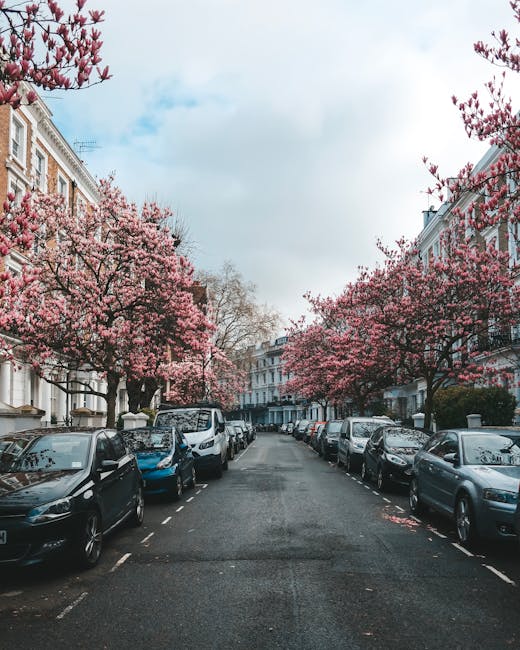
Bayswater Road moving service access tips near Kensington Gardens
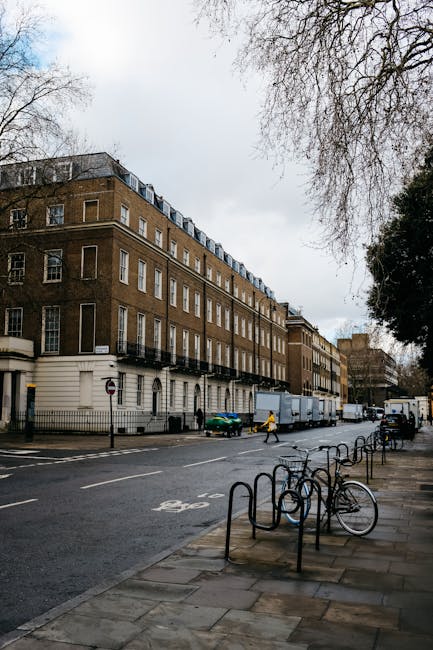
If you are planning a move on or around Bayswater Road, the access details matter almost as much as the packing. Bayswater Road moving service access tips near Kensington Gardens can save you time, reduce stress, and stop small problems from turning into a very long morning indeed. Narrow bays, garden traffic, visitor crossings, timed loading windows, and the general rhythm of central London all play a part. In the first hour of a move, one blocked kerb or one oversized van can change the whole day.
This guide gives you practical, real-world advice for managing access near Kensington Gardens, whether you are moving from a flat, a house, or a short-term rental. You will get a clear step-by-step process, common mistakes to avoid, and the sort of detail that helps a move feel organised rather than chaotic. To be fair, that is what most people want: not a perfect move, just one that does not spiral.
Why Bayswater Road moving service access tips near Kensington Gardens Matters
Access is the hidden part of moving that people often underestimate. The boxes may be ready, the sofa may be wrapped, and the keys may be in your pocket, but if the vehicle cannot stop safely and close enough to the property, the whole move slows down. Around Bayswater Road and Kensington Gardens, access can be especially sensitive because you are dealing with a busy London corridor, mixed residential and visitor traffic, and streets that often feel tighter than they look on a map.
That matters for a few reasons. First, it affects timing. A move that should take a few hours can stretch if the removal team has to park farther away and shuttle items by hand. Second, it affects safety. Heavy lifting over a longer distance increases the chance of bumps, drops, and strained backs. Third, it affects cost. Extra time, extra labour, and extra vehicle manoeuvring can all make a simple job more expensive than expected.
There is also the practical side that nobody loves talking about: neighbours, pedestrians, delivery drivers, and the little daily flow of London life. A good plan respects all of that. It keeps the move calm, avoids unnecessary conflict, and helps everyone get on with their day. Honestly, that calm is worth quite a lot.
If your move is part of a larger relocation, you may also want to look at home moves, flat removals, or man and van support depending on the size of the job. Choosing the right service is often half the battle.
How Bayswater Road moving service access tips near Kensington Gardens Works
At its simplest, access planning means working out where the vehicle can stop, how far items will need to be carried, and what could get in the way on the day. Near Kensington Gardens, that usually involves more than a quick guess. You need to think about road width, nearby junctions, turning space, loading conditions, building entrances, lift availability, stairwells, and whether there is any controlled parking or time-based restrictions.
A well-run move usually follows a pattern. The removals team checks the property details, assesses the access from the road to the front door, then matches the vehicle and crew size to the actual situation. A compact van may be better than a larger lorry if the road layout is tight. On the other hand, if you have a full family house move, a bigger vehicle may be more efficient so long as stopping and unloading are realistic.
In practical terms, the process often works like this:
- Review the building and street layout in advance.
- Decide the best vehicle type for the route and frontage.
- Check whether there is room to load without blocking traffic.
- Identify anything that could delay carrying items from van to property.
- Confirm the move time so the crew arrives when access is most workable.
If the property is a second- or third-floor flat, or if you are working with awkward furniture, the access plan becomes even more important. A narrow stairwell can turn a simple wardrobe into a two-person puzzle. That is not unusual. It is just London, really.
For people moving on a tighter timetable, a service such as same day removals can be useful, but only if the access details are prepared properly. Speed helps. Clear access helps more.
Key Benefits and Practical Advantages
Good access planning is not only about avoiding problems. It creates real advantages that you can feel during the move itself.
- Less carrying distance: Shorter carrying routes mean faster loading and less fatigue for the team.
- Reduced risk of damage: Fewer awkward turns, fewer doorframe scrapes, fewer chances for knocked corners.
- Better time control: A move that starts on time is far easier to finish on time.
- Cleaner coordination: The team can focus on lifting and placement instead of improvising around blocked access.
- Lower stress: You spend less time apologising to neighbours and more time getting settled.
There is also a quieter benefit: confidence. When you know the access has been considered properly, the whole day feels less fragile. You are not waiting for the first problem to appear. You are already prepared for it, which is a very different feeling.
For larger moves, the right equipment matters too. A suitable moving truck or removal van can make a real difference if the road allows it. If not, a smaller vehicle or a staged approach might be smarter.
Who This Is For and When It Makes Sense
This topic is relevant for almost anyone moving near Kensington Gardens, but it matters most in a few specific situations.
Flat movers: If you are leaving or entering a flat, especially one above ground level, access details can be the difference between a smooth move and a long one. Buildings with tighter stair access or shared entrances need a bit more planning. Services like flat removals and packing and unpacking services can help reduce the pressure.
Families moving house: Household moves often bring more furniture, more boxes, and more time-sensitive items. If you are moving with children around, or just trying to keep the day from becoming a circus, access planning is essential. Explore house removals or house removalists if you want a more structured service.
Students and short-term renters: These moves are usually smaller, but they are often done on a deadline. If your tenancy changeover is tight, a student removals service or a compact van option can be the practical choice.
Office or commercial relocations: Access matters in a different way here. Desks, equipment, files, and furniture need clear loading routes and predictable arrival windows. A service such as office removals or commercial moves should be planned with access in mind from the start, not as an afterthought.
Anyone with bulky or fragile items: Pianos, large mirrors, antique pieces, and oversized wardrobes all need a better-than-average route plan. If that sounds familiar, check piano removals or furniture removals.
Step-by-Step Guidance
Here is a straightforward way to prepare access near Bayswater Road and Kensington Gardens. Nothing fancy. Just the stuff that helps.
1. Walk the route before moving day
Stand at the road, then walk from the kerb to the front door. Notice the width of the pavement, the slope of the entrance, any steps, and whether the doorway swings open fully. If there is a shared hallway or a lift, check how much room you really have. People often underestimate the last ten metres, which is where problems usually live.
2. Identify the best stopping point
Look for the place where a vehicle can stop with the least disruption. Sometimes that is directly outside. Sometimes it is around the corner, and sometimes a smaller vehicle is the wiser move. A large truck may sound efficient, but if it cannot safely position itself, efficiency disappears very quickly.
3. Match the vehicle to the street
Not every move needs the biggest van in the fleet. If the street is busy or the turning space is limited, a compact van can save time. If you are moving a larger household, you may want a larger vehicle or a split-load plan. The best choice is the one that fits the street, not the one that looks most impressive.
4. Clear the access point inside the property
Move shoes, plant pots, bikes, and loose items away from the entrance. Inside, keep hallways as open as possible. That small bit of tidying can speed things up more than another hour of box-stacking. It also reduces the risk of a cracked lamp or a bruised shin. Nobody needs that.
5. Protect shared spaces
If you are in a block, let building management know about the move if needed, and be careful with communal corridors and lifts. A polite notice, some protective material, and a little patience go a long way.
6. Plan for timing
Think about school runs, commuter traffic, visitor patterns, and when the street is likely to be busiest. Early morning often works better, but that depends on the property and local conditions. There is no universal best time, which is a bit annoying, but true.
7. Keep a backup plan
What if the vehicle cannot stop where expected? What if a delivery van is already there? What if a lift is out of service? A good move does not rely on a single perfect condition. It includes a fallback. That might mean a second parking option, a different vehicle, or extra labour for a longer carry.
If you want packaging support before the day, packing and boxes can help you get everything into more manageable loads. It sounds obvious, but good packing really does improve access efficiency because the team can carry items more cleanly and safely.
Expert Tips for Better Results
Here are the access tips that tend to make the biggest difference in practice.
- Use smaller, safer loads: Several manageable trips are often better than one oversized, awkward carry.
- Label fragile and priority items clearly: The team can place them where they need to go without slowing down the route.
- Keep the first path free: If the van opens to a narrow street, make the first carry route as clear as possible.
- Measure large furniture: A wardrobe that barely fits in the flat may be the thing that causes the longest delay.
- Confirm lift dimensions early: If you are relying on a lift, do not assume it will accept your biggest item. Measure it.
- Have a neighbour-friendly approach: A quick apology and a tidy setup are worth their weight in gold.
One thing I always tell people: do not let the day start with guessing. Guessing is the enemy. Even a rough plan is better than none. You may not need every detail, but you do need the awkward ones sorted out before the first box is lifted.
If the job is moving from a smaller property and you want flexibility, a man with van or man with a van arrangement can be a smart fit. For bigger or more complex moves, an established team from removal services may be more suitable.
Common Mistakes to Avoid
Most access problems come from a handful of predictable mistakes. Good news: they are avoidable.
- Leaving access checks until moving morning. By then, it is too late to change much.
- Assuming a large vehicle is always better. Sometimes the road says otherwise.
- Ignoring the carrying distance. Fifty extra metres does not sound like much until you are carrying a fridge.
- Forgetting about lifts and stairwells. One tight corner can change the whole plan.
- Overpacking boxes. Heavy boxes slow everything down and can be unpleasant to carry.
- Not warning building staff or neighbours. It creates avoidable friction.
Another common one is not thinking about what happens after unloading. If the destination flat has cramped internal access, the team needs space to place items without stacking them in a doorway. That sounds minor. It rarely feels minor on the day.
For customers who want a more structured end-to-end move, services like removals or home moves can be easier to coordinate than trying to improvise everything yourself.
Tools, Resources and Recommendations
You do not need specialist software to plan moving access, but a few practical tools help a great deal.
- Measuring tape: For doorways, furniture widths, lift openings, and stair landings.
- Phone photos: Take pictures of the frontage, the hallway, the stairwell, and any tight corners. Those images are incredibly useful when you speak to a moving team.
- Notebook or moving checklist: Keep access notes separate from packing lists so nothing gets lost.
- Protective materials: Floor covers, blankets, and corner protection can reduce scuffs in shared spaces.
- Storage option: If access is awkward and the move needs to happen in stages, temporary holding space can be a relief. See storage if split timing is on the table.
It also helps to choose a provider that is transparent about pricing and practical details. That is where a clear quote process matters. You can review pricing and quotes and make sure the access details are discussed properly before the move is booked. A cheap quote that ignores the road layout often becomes expensive later. Funny how that works.
If your move involves collecting items or clearing unwanted pieces before the main day, furniture pick up can be a useful add-on. Less clutter usually means easier access.
Law, Compliance, Standards, or Best Practice
Any move in central London should respect local parking rules, loading restrictions, and public safety expectations. You do not need to become a traffic expert, but you do need to know that stopping in the wrong place can delay the move and may create avoidable issues. The safest approach is to plan legally, not creatively.
Best practice usually means the following:
- Do not block entrances, crossings, or emergency access.
- Use only stopping arrangements that are appropriate for the street and the time of day.
- Keep walkways as clear as possible for pedestrians.
- Use safe lifting methods and sensible team sizes for heavy items.
- Protect communal areas in blocks, halls, and shared corridors.
From a business perspective, reputable movers should also have clear policies around health and safety and insurance and safety. That is not just paperwork. It is a sign that the team thinks about risk before something goes wrong. Which is, frankly, the better order of events.
You may also want to check practical terms and conditions so you understand what is included and how changes are handled. For that, see terms and conditions. If data handling matters to you, the website's privacy policy and payment and security information are useful trust signals too.
Options, Methods, or Comparison Table
Different access situations call for different approaches. Here is a simple comparison that may help you decide.
| Method | Best for | Pros | Watch out for |
|---|---|---|---|
| Small van move | Compact flats, lighter loads, tighter streets | Easier parking, simpler manoeuvring, often quicker in restricted areas | May need more trips if the load is larger than expected |
| Standard removals team | Typical household moves and mixed furniture | Balanced labour and vehicle size, more adaptable | Needs enough frontage or workable stopping space |
| Large truck | Big house moves, fuller inventories, larger commercial jobs | More efficient for volume, fewer shuttle trips | Can be harder to position on busy roads |
| Split move with storage | Staged moves, renovations, delayed key handovers | Reduces pressure on the day, useful for awkward access | Needs careful coordination and more planning |
For a lot of Bayswater Road jobs, the best answer is not the biggest option. It is the one that matches the road, the building, and the amount of furniture. Boring answer maybe. Correct answer, though.
Case Study or Real-World Example
Imagine a couple moving out of a second-floor flat near Kensington Gardens with a sofa, bed frame, dining table, and around thirty boxes. On paper, it looks manageable. The problem is access: a narrow stairwell, a busy road, and a shared entrance that does not leave much room for waiting around.
In a rushed version of this move, the van arrives, the crew realises the stopping point is farther than planned, and every item has to be carried a longer distance. The sofa needs extra handling, a mirror gets moved later than expected, and the hallway starts to feel like a bottleneck. Nothing disastrous, just slower and more tiring than anyone wanted.
In a better planned version, the client measures the hallway, photographs the stairs, warns the building, and books a smaller vehicle with enough crew to handle the longer carry. The team knows the frontage is tight, so they arrive ready to load in stages. A couple of pieces are wrapped in advance, the boxes are grouped by room, and the whole move stays steady. Not effortless. Steady. That is a win.
That is the real value of access planning near Bayswater Road. It does not magically remove every obstacle. It just stops the obstacles from winning.
Practical Checklist
Use this checklist before moving day. A quick run-through can save a lot of grief later.
- Measure doorways, stairs, lifts, and any tight corners.
- Confirm where the vehicle can stop safely and legally.
- Decide whether a small van, larger truck, or split-load plan is best.
- Check whether your property has a shared entrance or communal areas.
- Tell building management or neighbours if necessary.
- Keep the main access path clear inside and outside the property.
- Protect floors, walls, and edges where there is a risk of scuffing.
- Pack heavy items into sensible loads.
- Separate fragile items and label them clearly.
- Have a backup plan if the first stopping point is unavailable.
- Confirm the booking details, timing, and access notes with the mover.
If you are moving an office or business unit, adapt the list for equipment, key handover, and building rules. You may want to review office relocation services or office removals if the move includes desks, filing, or technology.
Get a free quote today and see how much you can save.
Conclusion
Moving near Kensington Gardens is rarely just about boxing things up and turning up with a van. Bayswater Road access needs a bit of thought, because the street environment, parking realities, and building layouts all influence how smoothly the day will go. The good news is that most access problems are manageable if you plan early, measure carefully, and choose the right kind of moving support.
Whether you need help with a flat, a house, an office, or a smaller same-day move, the practical takeaway is the same: make access simple before the first box leaves the property. That one decision can save time, money, and a lot of unnecessary stress.
And if the day still feels a bit full-on, that is normal. Most moves do. Keep going, keep the path clear, and take it one load at a time.
Frequently Asked Questions
What are the main Bayswater Road moving service access tips near Kensington Gardens?
The main tips are to check stopping space, measure the route from the vehicle to the door, confirm lift or stair access, and choose a vehicle size that suits the street rather than guessing on the day.
Why is access planning so important for moves near Kensington Gardens?
Because the area can involve busy traffic, tighter stopping options, and shared entrances or narrow stairwells. Good planning reduces delays, lowers the risk of damage, and makes the move safer for everyone involved.
Should I choose a van or a larger truck for a move on Bayswater Road?
It depends on the load and the road conditions. A smaller van can be easier to position in tight spaces, while a larger truck may be better for bigger loads if the street allows it. The right answer is the one that fits the access.
How far in advance should I check access before moving day?
Ideally, as soon as the move date is set. Even a basic walkthrough a week or more before the move can reveal issues such as tight corners, lift limits, or limited roadside stopping space.
What should I do if my flat has a narrow stairwell?
Measure the stairwell, identify the largest items, and tell the moving team in advance. Sometimes furniture may need to be disassembled or moved with extra care, so it is better to know early.
Can a moving team help with packing as well as access planning?
Yes, many moves go more smoothly when packing and access are planned together. Services such as packing and boxes and packing and unpacking services can reduce the number of awkward items and make loading easier.
What happens if the vehicle cannot stop directly outside the property?
The team may need to use a nearby stopping point and carry items the extra distance. That is why it helps to keep the path clear and have a fallback plan for longer carries or a smaller vehicle.
Are same-day removals suitable near Kensington Gardens?
They can be, but only if access is straightforward or has already been assessed. If the road is busy or the property access is complex, a same-day move may still work, but it needs careful coordination. See same day removals for that type of move.
What should I tell a removals company before booking?
Tell them about vehicle access, street width, parking limitations, stairs, lifts, large furniture, shared entrances, and any timing restrictions. The more accurate the information, the more accurate the plan.
Do office moves near Bayswater Road need the same access planning?
Yes, and often even more. Office equipment, desks, and file storage can create bigger timing and carrying challenges. If the move is commercial, look at commercial moves or office relocation services early.
How can I reduce the risk of damage during a move?
Keep access routes clear, protect floors and corners, avoid overpacked boxes, and use the right team size for heavy items. Good access is one of the simplest ways to prevent scrapes and knocks before they happen.
What if I need temporary space during a staged move?
Temporary storage can be a very practical bridge if keys are delayed, access is awkward, or you are moving in phases. It gives you breathing room, which is worth a lot on a busy week.